How a General Dentist in Aurora Helps Patients of All Ages Smile Brighter
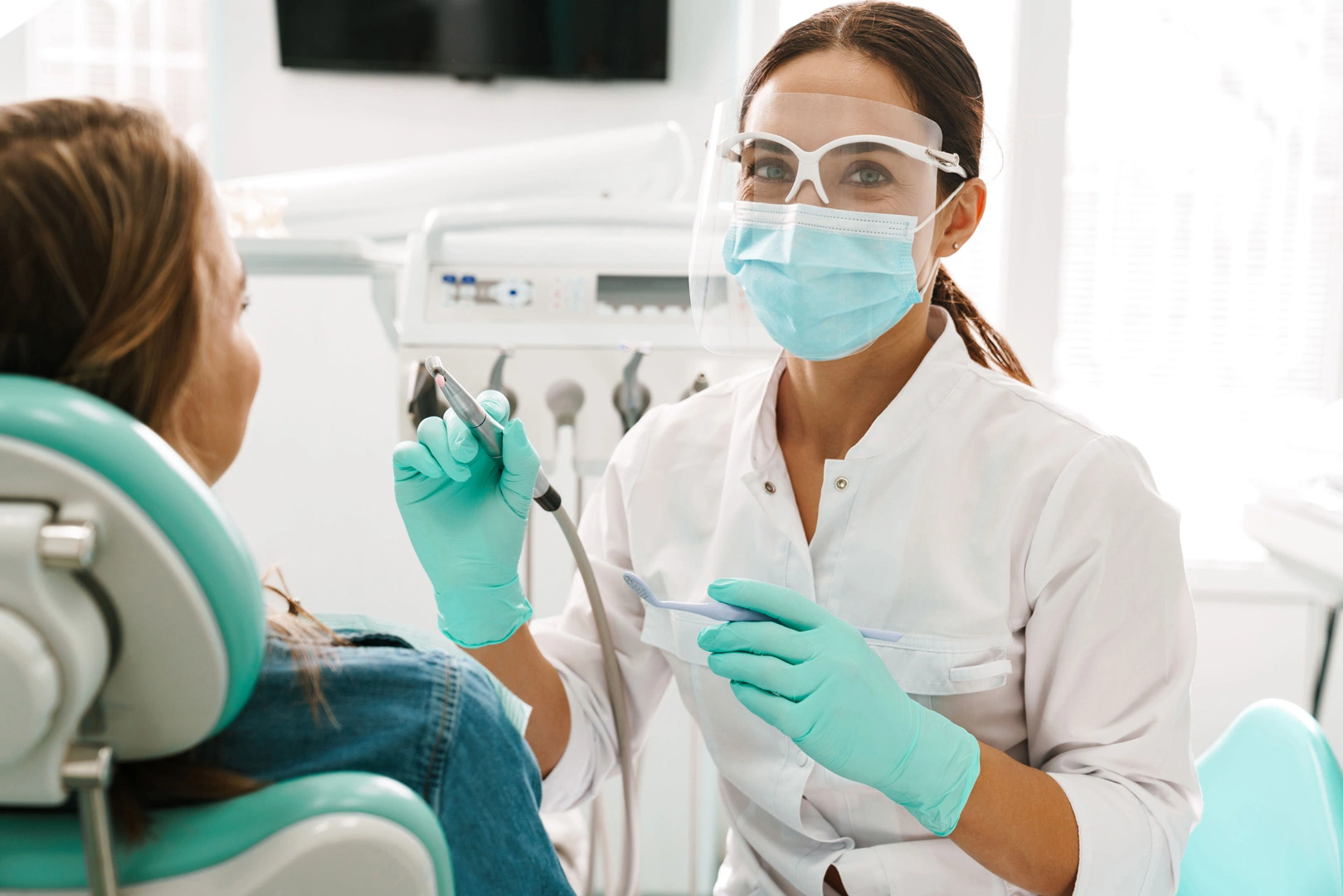
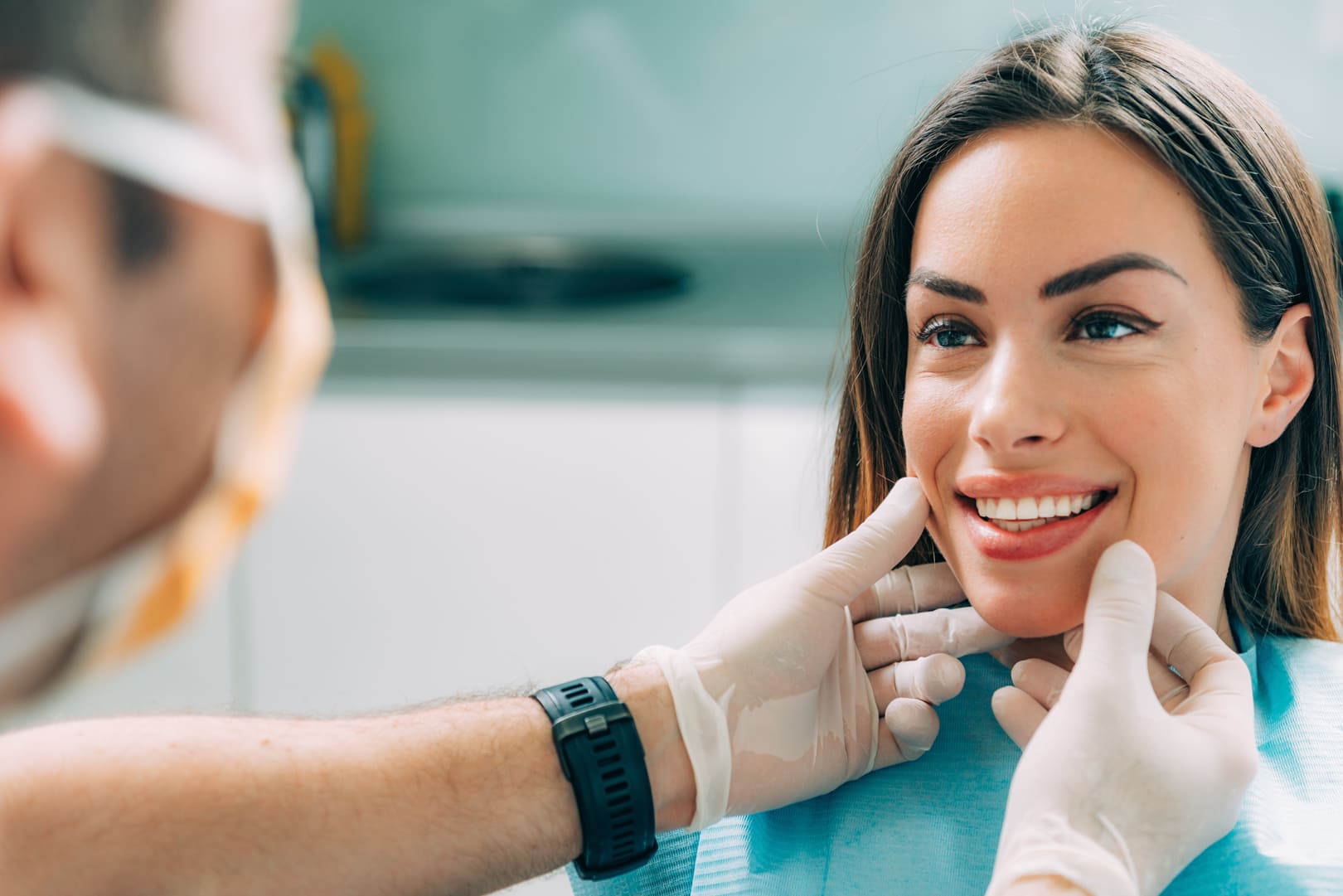
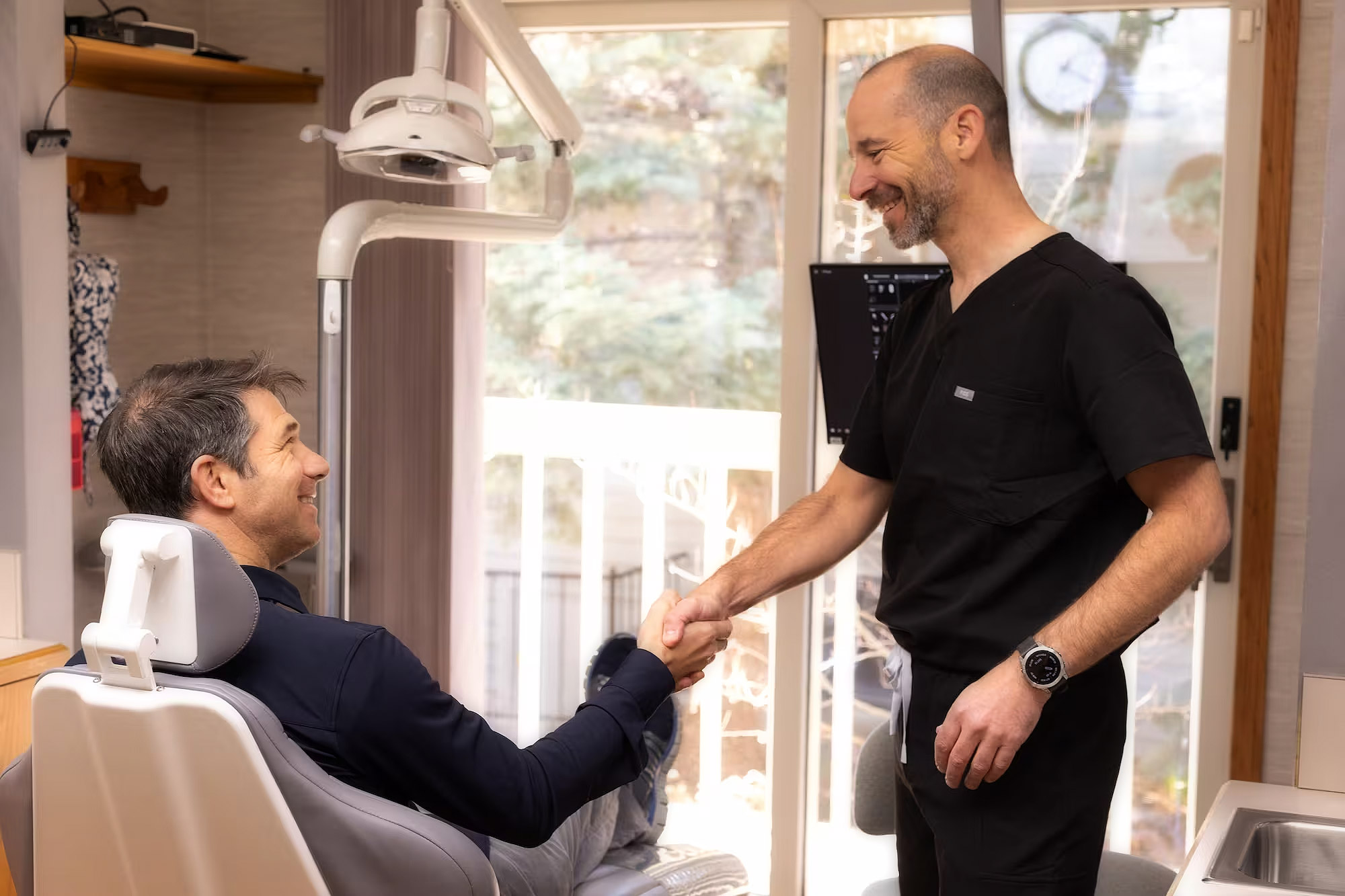
A healthy smile is rarely the result of one dramatic treatment. More often, it comes from years of steady care, thoughtful timing, and good decisions made at the right moment. That is where a general dentist becomes indispensable. For families in a growing community like Aurora, dental needs change constantly. A toddler may need a first exam and guidance for parents. A teenager may need help managing cavities around orthodontic brackets. An adult may want to replace an old filling, stop chronic sensitivity, or improve the appearance of a tired smile. An older patient may need careful planning around dry mouth, gum recession, worn teeth, or dentures.
A skilled general dentist in Aurora stands at the center of all of that. The role is broader than many people realize. It is not just about cleaning teeth or filling cavities. It is about seeing the whole patient, understanding how age, habits, health history, and lifestyle shape oral health, and then tailoring care so problems are treated early rather than late.
That broad view matters because the mouth does not exist in isolation. Changes in stress, medications, sleep quality, diet, and chronic illness often show up in the teeth and gums first. A patient may come in asking about a chipped front tooth and end up learning they grind at night. Another may book a routine exam and discover a small cavity before it turns into a root canal. These are common moments in general practice, and they are where everyday dentistry quietly makes a lasting difference.
Why family dental care works best when it grows with the patient
One of the strongest advantages of general dentistry is continuity. When a practice sees patients over time, patterns become easier to catch. A child who has a tendency toward deep grooves in the molars may benefit from sealants early. An adult whose gums have always been stable may suddenly show bleeding and inflammation after a medication change. A senior with an old bridge may need preventive maintenance before a larger repair becomes necessary.
That long view leads to better care. It is easier to notice subtle shifts when a dentist knows what your baseline looks like. A small crack in a molar is easier to catch if the dentist remembers the shape and wear of that tooth from prior visits. Mild gum recession is easier to monitor if photographs and measurements have been compared over several years. Even anxiety is easier to manage when the team knows what a patient needs to feel comfortable.
For families, there is also a practical benefit. Life is busy. It helps when one office can handle routine care for children, parents, and grandparents without making every visit feel rushed or generic. The best family-focused practices know that a six-year-old and a sixty-year-old may both feel nervous for different reasons. Their communication style, pace, and treatment planning should reflect that.
A child’s early visits set the tone for years to come
Pediatric dental visits inside a general practice often shape a person’s relationship with oral health for decades. The first years matter less because of complex treatment and more because of familiarity, comfort, and prevention. A child who learns that dental visits are predictable and calm is far more likely to return without fear as a teen and adult.
Early appointments usually focus on monitoring development, spotting decay risks, checking bite patterns, and coaching parents on home care. Thumb sucking, pacifier habits, mouth breathing, delayed eruption, and crowded baby teeth all give useful clues. Some issues correct themselves. Others deserve closer observation. The value lies in knowing the difference.
It is also the stage when diet conversations matter most. Fruit snacks, juice, crackers, and frequent sipping from sweetened cups can do more damage than parents expect. Cavities in young children are often less about one bad habit and more about repeated exposure through the day. A practical dentist does not shame parents for that. Instead, they explain the pattern clearly and offer realistic adjustments that a family can actually follow.
When children become school-aged, attention often shifts toward brushing technique, molar sealants, sports mouthguards, and cavity prevention during the years when independence starts to outrun consistency. Many children brush without brushing well. They miss the gumline, rush the back teeth, or do a quick pass before school and call it done. Good dental teams know how to teach these skills without turning every visit into a lecture.
Teenagers need a different kind of dental support
The teenage years are deceptively challenging from a dental perspective. On paper, teens may seem old enough to handle routine care. In practice, this age group often sits right at the intersection of changing habits, changing priorities, and changing anatomy.
Orthodontic treatment is a common factor. Braces, aligners, elastics, and retainers all create new hygiene challenges. Plaque collects around brackets. White spot lesions can begin before anyone notices. Retainers go missing. Wisdom teeth start to enter the conversation. Sports injuries become more likely. Sugary drinks, energy beverages, and irregular sleep schedules do not help either.
A general dentist in Aurora who routinely treats teens has to strike a careful balance. Too much pressure and the message gets tuned out. Too little clarity and small issues become larger ones. What works best is specific, direct advice tied to immediate results. A teenager may not be motivated by the idea of avoiding future crowns at age forty, but they often care about bad breath, stained aligners, puffy gums, or white marks around braces.
There is also a confidence piece here. Adolescence is often when patients become more aware of how their smile looks. Some ask about whitening after orthodontics. Others want to fix a chipped incisor before graduation photos or a part-time job interview. Cosmetic concerns at this age should be handled conservatively, but they should not be dismissed. Feeling good about a smile can affect the way a young person speaks, laughs, and carries themselves.
Adult dentistry often comes down to maintenance and timing
Many adults postpone dental care not because they do not value it, but because life gets crowded. Work schedules, child care, commuting, and household costs push routine appointments down the list. The problem is that dentistry tends to reward consistency. Delays usually make treatment more expensive, more invasive, and more inconvenient.
A general dentist helps adults by keeping routine problems from becoming major ones. That sounds simple, but it matters. A filling done when decay is small preserves more healthy tooth structure than one placed after months of progression. A night guard made when grinding first becomes obvious may help prevent fractures, headaches, and accelerated wear. Gum inflammation treated early is far easier to control than advanced periodontal damage.
Adults also bring complexity. Existing dental work ages. Old composite fillings stain and leak. Crowns weaken at the margins. Teeth that had root canals years ago may become brittle. Clenching shows up in flattened chewing surfaces, craze lines, and sore jaw muscles. Sensitivity may point to recession, erosion, decay, or cracked enamel. The dentist’s job is part detective work, part planner.
Here are a few common reasons adults benefit from regular visits:
- Small cavities can be treated before they cause pain or require larger restorations.
- Gum disease can be identified early, when home care changes and professional cleanings still make a major difference.
- Worn, cracked, or broken teeth can be stabilized before they fail suddenly.
- Cosmetic concerns such as staining, old bonding, or uneven edges can often be improved conservatively.
- Screening exams may catch issues unrelated to cavities, including bite changes, oral lesions, or signs of clenching.
What matters is not simply finding problems. It is deciding which issues need action now, which can be watched, and which are mostly cosmetic. That judgment is where experience shows.
Older adults often need dentistry that is more strategic than dramatic
Senior dental care is sometimes misunderstood. People assume the needs are limited to dentures or tooth loss, but the reality is broader. Many older adults keep most or all of their natural teeth. The challenge is preserving them while accounting for medication side effects, arthritis, gum recession, reduced saliva, and years of accumulated dental history.
Dry mouth deserves special attention. It is one of the most common issues in older adults and one of the most overlooked. Saliva protects teeth, buffers acids, and helps control bacteria. When saliva decreases, decay risk rises quickly, especially around the roots of teeth where gum recession has exposed more vulnerable surfaces. Patients are often surprised by how fast root cavities can develop.
Mobility and dexterity matter too. Someone who once brushed and flossed effortlessly may now struggle with hand strength, shoulder movement, or vision. That does not mean oral hygiene becomes impossible, but it may mean the routine needs to change. An electric toothbrush, floss holders, interdental brushes, or prescription fluoride can make the difference between steady maintenance and repeated breakdown.
The planning side of care also becomes more nuanced. Replacing a missing tooth for a healthy, active seventy-year-old may make excellent sense. Pursuing a large reconstruction for a medically fragile patient who has trouble sitting comfortably may not. Good general dentists weigh oral needs against the person’s overall health, stamina, goals, and budget. That kind of restraint is just as important as technical skill.
Preventive care is still the quiet workhorse of a brighter smile
People often associate a brighter smile with cosmetic treatment, but prevention is usually what keeps a smile looking bright in the first place. Clean enamel, healthy gums, stable fillings, and routine monitoring create a different kind of confidence. Teeth do not need to be perfectly white to look healthy. They need to be clean, proportionate, comfortable, and supported by pink, firm tissue.
Professional cleanings play a larger role than many patients realize. Even those who brush well tend to miss areas where tartar builds up, especially behind lower front teeth and around upper molars. Once hardened deposits form, home brushing will not remove them. Left alone, they irritate the gums and create the conditions for deeper inflammation.
Exams are equally important because not every problem announces itself with pain. In fact, some of the more damaging conditions stay quiet for a long time. Early-stage cavities, bite-related cracks, mild bone loss, and suspicious soft tissue changes can all progress without obvious symptoms. The patients who say, “It didn’t hurt, so I thought it was fine,” are often telling the truth. Teeth are not always generous with warnings.
Preventive care also includes practical coaching. That may involve changing the timing of acidic drinks, rinsing after coffee, adjusting a brushing technique that is too aggressive, or explaining why whitening toothpaste is making sensitivity worse. These are not glamorous interventions, but they often improve daily comfort more than patients expect.
Cosmetic improvements are most successful when the foundation is healthy
A brighter smile can mean many things. For one patient, it means whitening extrinsic stains from coffee, tea, or wine. For another, it means repairing a worn front edge that catches light unevenly. For someone else, it means replacing discolored fillings or reshaping a tooth that has always looked slightly out of place.
General dentists often handle these concerns conservatively, and that is usually a good thing. Not every esthetic issue requires veneers or major reconstruction. Thoughtful bonding, whitening, enamel recontouring, or replacing a visible filling can refresh a smile significantly without removing unnecessary tooth structure.
The catch is that cosmetic work works best on a healthy foundation. Whitening a mouth with active decay or inflamed gums is the wrong sequence. So is placing attractive front-tooth bonding when heavy grinding is likely to chip it within months. A responsible dentist addresses the underlying conditions first, then recommends cosmetic options that fit the patient’s habits and expectations.
Patients sometimes arrive with inspiration photos and leave with a more modest plan, but often a better one. A dentist who says no to overtreatment is usually protecting both the appearance and the lifespan of the teeth.
What patients should expect from a well-run general dental practice
The best general practices do not just perform procedures. They build trust through consistency, communication, and good systems. That starts with listening. Patients notice quickly whether they are being rushed through a script or genuinely heard.
In a strong visit, the dentist and team gather information, explain findings in plain language, and offer recommendations with context. If there are options, the differences should be clear. A small crack might be monitored, bonded, or crowned depending on symptoms, location, and bite forces. A missing tooth might be left alone, replaced with a bridge, or considered for an implant based on neighboring teeth, bone support, and cost. These are not one-size-fits-all decisions.
Patients should also expect the office to make prevention feel practical rather than preachy. A person who drinks several acidic beverages a day needs a realistic strategy, not vague advice to “do better.” A parent juggling three children needs streamlined hygiene guidance, not a long lecture that falls apart by bedtime. Experience shows in how advice is delivered.
When people are looking for the right dental home, a few signs tend to matter most:
- The dentist explains not just what they see, but why it matters and what can wait.
- The team is comfortable treating different age groups without using the same communication style for everyone.
- Treatment plans reflect priorities, budget, and long-term goals, not just a full wish list.
- Preventive visits include actual education and follow-up, not only polishing and scheduling.
- Patients leave understanding the next step, whether that is treatment, monitoring, or a home care change.
Those details often separate a routine appointment from a truly useful one.
The Aurora factor, community care with real continuity
Aurora is the kind of community where continuity can have real value. Families grow, move within the area, change jobs, retire, and bring new generations into the same neighborhoods. In that setting, a General General Dentist Aurora Dentist Aurora residents trust often becomes a long-term health partner rather than just a service provider.
That community relationship influences care in subtle ways. Dentists who serve a local patient base for years tend to understand the rhythms of the area, the scheduling needs of working families, the concerns of newcomers, and the practical realities of household budgets. They know that one patient may want the ideal comprehensive plan immediately, while another needs phased treatment spread over time. Neither approach is wrong. Good care adapts.
There is also something reassuring about familiarity. When the front desk knows your name, the hygienist remembers your sensitivity around one lower molar, and the dentist recalls that you clenched more during a stressful work season last year, visits feel less transactional. That comfort may sound secondary, but it affects whether patients come in on time, ask questions, and follow through.
Brighter smiles are built in layers
A brighter smile is not always whiter teeth. Sometimes it is a child who no longer fears cleanings. Sometimes it is a teen who gets through braces without damage. Sometimes it is an adult who catches a problem early and avoids a difficult repair. Sometimes it is an older patient who can chew comfortably, speak clearly, and keep their natural teeth longer than they expected.
General dentistry supports all of those outcomes through repetition, judgment, and prevention. The work is not flashy most of the time. It is careful. It is cumulative. It is often most successful when patients barely notice how many problems never had the chance to become emergencies.
For people and families in Aurora, that is the real value of ongoing care. A trusted general dentist does more than treat teeth. They help patients navigate each life stage with practical advice, measured treatment, and a steady focus on what keeps a smile healthy, functional, and confident for the long haul.
Aspenwood Dental Associates and Colorado Dental Implant Center
Address: 2900 S Peoria St Ste C, Aurora, CO 80014
Phone number: +13037314037
FAQ About General Dentist Aurora
What is meant by general dentistry?
General dentistry refers to the primary, foundational tier of oral healthcare, focused on the prevention, diagnosis, and treatment of conditions affecting the teeth, gums, and jaw. General dentists serve as a patient's main, long-term dental care provider—much like a primary care physician.
What is general dentistry and orthodontics?
General dentistry and orthodontics are two specialized branches of dental care. General dentistry serves as your primary care for overall oral health, focusing on routine cleanings, fillings, and disease prevention. Orthodontics is a specialized field focused entirely on diagnosing and correcting misaligned teeth and jaw structures using braces or clear aligners.
What are type 3 dental services?
Type 3 dental services typically include major restorative treatments that repair or replace damaged or missing teeth. These services are more complex and costly than preventive or basic dental care. Common examples of type 3 dental services include: Dental crowns.