General Dentist Tips for Better Oral Hygiene at Home
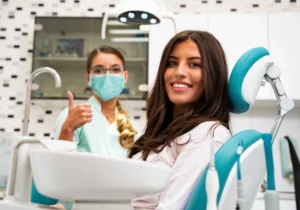
Good oral hygiene at home is rarely about perfection. It is about consistency, technique, and a few smart adjustments that match your age, habits, and risk factors. A general dentist sees this every day. Two patients can brush twice a day and floss regularly, yet one develops cavities and bleeding gums while the other does not. The difference often comes down to the small details people do not realize matter: how long they brush, where they miss, what they sip between meals, whether they grind their teeth at night, or how dry their mouth feels after starting a new medication.
Most dental problems begin quietly. Plaque does not announce itself. Gum inflammation can look mild for months. Early enamel wear does not always hurt. That is why home care matters so much. By the time a tooth becomes painful, the problem is usually larger, costlier, and harder to reverse. The encouraging part is that many common issues respond well to simple habits done properly.
A solid routine at home does not replace professional care, but it changes what happens between visits. When a general dentist gives advice, it is usually based on patterns seen over years of exams, cleanings, fillings, cracked teeth, gum recession, and emergency visits that could often have been prevented. The goal is not to create a complicated regimen. It is to help you do the basics well enough that your mouth stays healthier with less effort over time.
The basics matter more than the fancy extras
People often look for the best toothpaste, the best whitening strip, or the newest gadget. Those products can have value, but they are secondary. The foundations are still brushing thoroughly, cleaning between teeth, limiting constant sugar exposure, and keeping up with routine dental visits. If those pieces are weak, mouthwash and whitening products will not make up the difference.
Think of plaque as a sticky film that starts forming soon after you clean your teeth. If it is removed regularly, it stays manageable. If it sits undisturbed, it thickens, irritates the gums, and can harden into tartar in areas that are harder to clean. Once tartar forms, a toothbrush cannot remove it. That is where professional scaling comes in. The home goal is simple: disrupt plaque before it matures into something more stubborn.
Many patients assume that if their teeth look fairly white, their hygiene must be good. Color can be misleading. Someone may have white teeth and active gum disease. Another person may have naturally darker teeth and very healthy gums. A general dentist pays close attention to the gumline, the spaces between teeth, old fillings, areas around crowns, and the tongue and cheeks, because problems often start where the eye does not naturally linger.
Brushing technique is usually the missing piece
When patients say, “I brush all the time, so I don’t know why this keeps happening,” technique is often the first thing to review. Most people overestimate both the time and quality of their brushing. Two rushed passes over the front teeth do not clean the molars, the gumline, or the inner surfaces where plaque tends to collect.
A soft-bristled toothbrush is usually the right choice. Hard bristles do not clean better. They simply raise the odds of gum recession and enamel abrasion, especially if you scrub aggressively. Electric toothbrushes can be excellent, particularly for people who brush too quickly or have limited dexterity, but a manual brush can also work well if used carefully.
Angle the bristles toward the gumline and use small, controlled motions rather than sawing back and forth. Every tooth has several surfaces, and each deserves attention. The outer surfaces are easiest to remember because they are visible. The inner surfaces, especially behind the lower front teeth, are easy to neglect and commonly collect buildup. The chewing surfaces of molars deserve more than a quick swipe because their grooves can hold food and bacteria.
Timing matters too. A full two minutes is a useful target, not because it is magical, but because most adults otherwise stop around thirty to forty-five seconds. If you divide the mouth into four sections and spend about thirty seconds in each, your coverage tends to improve naturally.
One more detail that often surprises people: brushing harder is not better. Teeth are not kitchen tiles. If your brush splays out quickly, if your gums feel sore after brushing, or if you notice grooves near the gumline, you may be brushing with too much force. A general dentist can often spot this pattern at a glance.
Flossing is not optional, but the method can vary
The phrase people dread hearing at a checkup is usually some version of, “You need to floss more.” It sounds repetitive because the problem is repetitive. A toothbrush does not clean effectively between teeth where many cavities and early gum problems begin.
Traditional floss works very well, but only if it wraps gently around each tooth in a C shape and moves below the gumline without snapping. If you slide floss straight down and yank it back out, you clean less than you think. If floss catches or shreds, that is also useful information. It can mean a filling edge is rough, tartar is present, or the contact point between teeth needs evaluation.
Some people do better with floss picks because they are more likely to use them. Others prefer interdental brushes, especially if they have wider spaces, gum recession, braces, bridges, or a history of periodontal treatment. Water flossers can be a good supplement, particularly for orthodontic patients and people with dexterity challenges, but they usually should not be treated as a total replacement for mechanical plaque removal between teeth unless your dentist advises otherwise.
If you have not flossed regularly in a while, expect some bleeding at first. That does not automatically mean you should stop. Mild bleeding is often a sign of inflamed gums that need better cleaning. If bleeding continues beyond a week or two of gentle daily care, or if it is heavy, a dental evaluation is worth scheduling.
Toothpaste and mouthwash choices should fit your mouth
The toothpaste aisle makes oral hygiene seem more complicated than it is. For most adults, a fluoride toothpaste is the standard place to start. Fluoride helps strengthen enamel and lower cavity risk. If you are prone to sensitivity, a toothpaste made for sensitive teeth can help, but it usually needs steady use over several weeks to show its full effect.
Whitening toothpaste can remove some surface stain, but it will not dramatically change the natural shade of your teeth. Some are more abrasive than others. That does not make them inherently bad, but heavy-handed use in someone with recession or enamel wear can create problems. A general dentist often steers patients toward a less abrasive formula if the teeth already show signs of wear.
Mouthwash has a role, but it depends on your needs. An alcohol-free fluoride rinse can be useful for cavity-prone patients. Antimicrobial rinses may help with gum inflammation in some cases. Cosmetic mouthwashes that simply freshen breath can be pleasant, but they should not create a false sense of security. If breath odor persists despite good hygiene, the cause might be dry mouth, gum disease, a cavity, tonsil issues, or something beyond the mouth altogether.
Food habits shape oral health more than most people realize
Many people think only in terms of how much sugar they eat. Frequency often matters just as much as quantity. Sipping sweet coffee over three hours, nursing sports drinks through a workout, or grazing on crackers all afternoon keeps the mouth in a repeated acid cycle. Each exposure gives cavity-causing bacteria another chance to produce acid and weaken enamel.
Sticky foods deserve special mention because they linger. Dried fruit, chewy candy, and some processed snack bars stay in the grooves of molars and between teeth longer than a square of chocolate that melts and clears more quickly. That does not mean you can never have them. It means they are better eaten with a meal than as a slow, standalone snack.
Acidic drinks create another problem. Soda is the obvious example, but flavored sparkling water, citrus drinks, energy drinks, and even frequent lemon water can soften enamel over time. Patients are often surprised when a “healthy” drink contributes to sensitivity and edge wear. The issue is not guilt. It is chemistry.
If you want one practical shift with a strong payoff, reduce how often your teeth are exposed to sugar and acid between meals. Water remains the easiest oral-health-friendly drink. If you do have coffee, tea, juice, or soda, finishing it in a shorter window is generally kinder to teeth than constant sipping.
Dry mouth changes the risk picture
Saliva protects the mouth more than people appreciate. It helps wash away food particles, neutralize acids, and support enamel repair. When saliva drops, cavity risk often rises quickly. A general dentist sees this in patients taking certain blood pressure medications, antidepressants, allergy medicines, sleep aids, and many other common prescriptions. It is also common in mouth breathers, people under stress, and adults as they age.
Dry mouth often announces itself through subtle clues before someone uses the term. The mouth may feel sticky at night. Lips may crack. Food may seem harder to swallow without water. Cavities may start appearing around the necks of teeth or along old fillings even in someone who previously had a strong track record.
If your mouth feels dry often, bring it up at your dental appointment. Management may include more frequent sips of water, sugar-free gum or lozenges to stimulate saliva, fluoride support, and product recommendations tailored to the cause. This is one of those issues where home care works best when it is matched to the reason behind the dryness.
Gum health deserves as much attention as cavity prevention
People tend to focus on teeth because teeth are visible and cavities are familiar. Gums quietly determine whether those teeth have a healthy foundation. Gingivitis, which is early gum inflammation, can often improve with better plaque control. Periodontitis, which affects the supporting bone and tissue, is more serious and can progress with little pain.
Healthy gums should not bleed every time you brush or floss. They should fit fairly snugly around the teeth and not look chronically puffy. Persistent redness, swelling, bad taste, tenderness, recession, or shifting teeth all deserve attention. Gum disease has strong links with plaque retention, tobacco use, diabetes, and inconsistent professional care, but genetics and immune response also play a part. That means some people need to be more diligent than others even if their habits look similar on paper.
One of the more frustrating situations in practice is the patient who says, “Nothing hurts, so I thought everything was fine,” while significant gum disease is already present. Pain is not a reliable early warning system for periodontal trouble. Bleeding and bad breath are often earlier clues.
Children, teens, and adults need different kinds of reminders
Good advice changes with age. Young children usually need active supervision even after they insist they can handle brushing alone. Fine motor control often develops later than parents expect. A child may know the routine yet still miss the back molars or rush through the whole process in twenty seconds. Fluoride toothpaste should be used in age-appropriate amounts, and regular help with brushing and flossing is often necessary well into elementary school.
Teenagers face a different set of challenges. Diet shifts, sports drinks, braces, irregular sleep, and rushed mornings can all damage routines. Orthodontic appliances create more plaque traps, which means brushing must be slower and more intentional. This is also the age when habits start to become personal rather than parent-driven, so convenience matters. The best tools are the ones a teen will actually use correctly.
Adults often struggle less with knowledge than with follow-through. Travel, long workdays, caregiving, and stress can shrink oral care into something automatic and sloppy. Later in life, recession, dry mouth, medication effects, crowns, implants, and dexterity changes alter the picture again. There is no single perfect home routine for every decade of life.
Night grinding and clenching can undo good hygiene
Oral hygiene is not only about plaque and cavities. Mechanical damage matters too. A patient may keep a clean mouth and still crack fillings, chip teeth, or develop recession from clenching and grinding. Stress often worsens it, though some people grind in their sleep without realizing it.
Common clues include morning jaw soreness, headaches near the temples, worn or flattened biting edges, tooth sensitivity, and notches near the gumline. A night guard can be very helpful when indicated, but it should be evaluated professionally rather than guessed at. Over-the-counter guards may offer temporary protection, but fit and bite balance matter. A general dentist can tell whether grinding is a minor habit or a bigger source of damage.
Small routine upgrades that often make a big difference
If your home care feels inconsistent, do not overhaul everything at once. Most people succeed when they make one or two changes that are easy to repeat. The following habits are the ones that most often produce visible improvement at a checkup:
- Brush for a full two minutes, especially along the gumline and back molars.
- Clean between teeth once daily with floss or an interdental tool you will actually use.
- Choose water more often between meals, and cut down on prolonged sipping of sugary or acidic drinks.
- Replace worn toothbrush heads before the bristles flare widely, often around every three months.
- Keep dental visits on schedule, even when nothing hurts.
These suggestions look simple because they are simple. Their value comes from repetition. A dramatic week of perfect brushing before a cleaning does far less than three steady months of competent daily care.
When home care is not enough
There is a point where better brushing alone will not solve the issue. If tartar has built up heavily, if a cavity has started between the teeth, or if gum pockets have deepened, professional treatment is necessary. Home care remains essential, but it becomes maintenance rather than cure.
This distinction matters because many people blame themselves too harshly when they still need treatment. Oral health is influenced by anatomy, saliva, previous dental work, crowding, medical conditions, medications, and genetics. I have seen patients with excellent effort who still needed frequent support, and patients with mediocre habits who coasted on favorable biology for years. Good care General Dentist is not about moral virtue. It is about understanding your own risk and managing it honestly.
A helpful conversation with a general dentist often sounds specific rather than generic. Instead of “brush better,” it might be “focus behind the lower front teeth” or “use a smaller brush head because your last molars are being missed” or “you are getting decay around old crowns, so we need more fluoride support and less frequent snacking.” Precision turns advice into action.
Warning signs that deserve prompt attention
Some changes should not wait until your next routine cleaning. If you notice any of the following, it is wise to call your dental office sooner rather than later:
- Bleeding gums that persist despite gentle daily flossing and brushing
- Ongoing tooth sensitivity to cold, sweets, or biting pressure
- Bad breath or a bad taste that does not improve with cleaning
- A chipped tooth, cracked filling, or sudden rough edge
- Swelling, pus, or pain that wakes you at night
These symptoms do not always signal an emergency, but they do deserve evaluation. Catching a problem early often means a simpler fix and better odds of preserving tooth structure.
The goal is a routine you can keep
The best home care plan is not the most expensive or the most elaborate. It is the one you can maintain when life gets busy. A person who brushes well with a basic fluoride toothpaste and flosses nightly will usually do better than someone with a counter full of specialty products and no consistent routine.
A general dentist is not looking for perfection at your appointment. What matters is whether your mouth is staying stable, whether your risk factors are understood, and whether your daily habits support long-term health. The most useful changes are often modest: a gentler brushing technique, an interdental tool that fits comfortably, fewer all-day sweet drinks, a response to dry mouth before decay starts, and regular visits that catch trouble early.
Oral hygiene at home works best when it is realistic. If your current routine is weak, start by fixing the parts that have the biggest return. Clean thoroughly, clean between the teeth, respect the role of diet, and pay attention to what your mouth is trying to tell you. Those habits are not glamorous, but they are exactly what keep small problems from turning into large ones.
Aspenwood Dental Associates and Colorado Dental Implant Center
2900 S Peoria St Ste C, Aurora, CO 80014, United States
+1 303-731-4037
FAQ About General Dentist
How long do teeth fillings last in Aurora, CO?
Fillings can last for years, but they are not lifetime restorations. Their durability depends on the material, the size and location of the filling, chewing forces, and oral hygiene. A general dentist can examine a filling for wear, damage, or new decay and explain whether monitoring, repair, or replacement is appropriate. Age alone does not establish that a filling needs replacement.
How Can I Reduce Dental Anxiety?
Tell the dental team about your concerns when booking and again at your visit. Ask for an explanation of each step, agree on a signal for breaks, and consider slow breathing or headphones if the practice permits them. Discuss pain control and any sedation options with the dentist; suitability depends on your health, medicines, and planned treatment.
When should your child first see a dentist in Aurora?
Arrange the first dental visit within six months after the first tooth appears and no later than the first birthday. Early visits allow the dentist to assess development and discuss brushing, fluoride, feeding habits, and cavity prevention. Ask the practice whether it sees infants and how it handles referrals when a child needs specialist care.