General Dentist Aurora: What to Know About Professional Teeth Cleanings
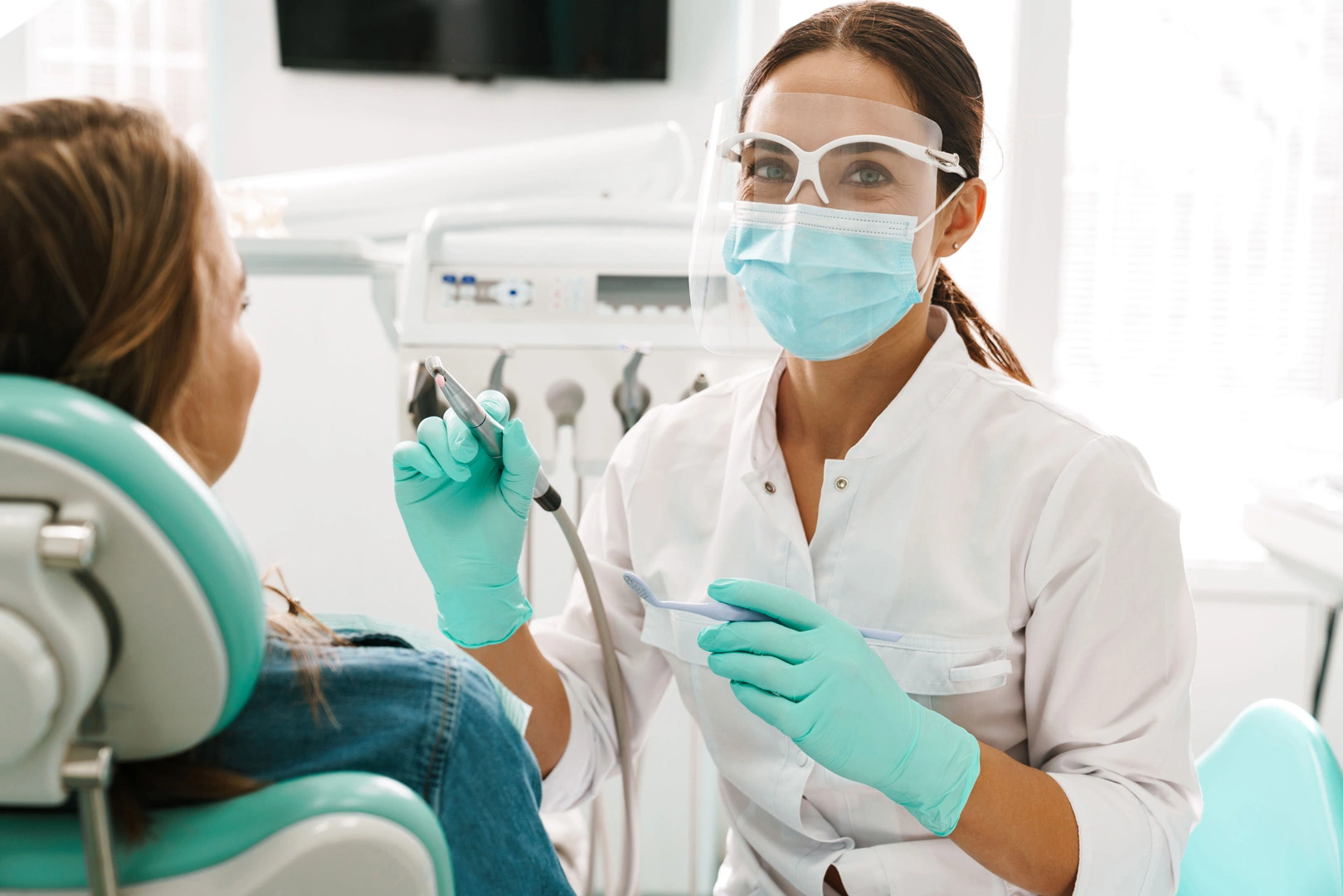
Most people understand that professional teeth cleanings are part of routine dental care, but many are less clear on what actually happens during the appointment, why it matters when they brush and floss at home, and how often they truly need to come in. Those questions come up every day in general practice, especially from patients who feel their teeth are “pretty clean” or who have gone a few years without a visit and are bracing for bad news.
A professional cleaning is not a cosmetic extra. It is one of the most practical, preventive services in dentistry. It helps control plaque and tartar, gives the dental team a chance to spot early changes before they become painful or expensive, and supports the health of the gums that hold teeth in place. For many adults, the difference between a straightforward six month visit and a future appointment for deep cleaning, fillings, or gum treatment comes down to consistency over time.
If you are looking for a General Dentist Aurora patients can rely on for routine care, it helps to know what a cleaning can and cannot do. Understanding the purpose of the visit tends to take some of the mystery out of it, and often reduces the anxiety that keeps people away.
A cleaning does more than make teeth feel smooth
The polished feeling after a cleaning is nice, but it is not the main event. The real value lies in removing hardened deposits and checking areas that are easy to miss at home.
Plaque is a soft, sticky film of bacteria that forms constantly on teeth. If it is disturbed well with brushing and flossing, it can be managed. If it sits undisturbed, especially near the gumline or between teeth, it begins to harden into tartar, also called calculus. Once that happens, no toothbrush or water flosser will scrape it off. It needs professional instruments.
That matters because tartar creates a rough surface where more plaque sticks. It becomes a holding place for bacteria that irritate the gums, causing redness, bleeding, swelling, and eventually the kind of chronic inflammation that leads to gum disease. Many patients are surprised to learn that bleeding when brushing is not from “brushing too hard” nearly as often as it is from inflamed gums.
Cleanings also give the dentist and hygienist a chance to notice small shifts that patients usually do not feel yet. Early cavities, worn enamel, cracks, clenching patterns, recession, dry mouth, oral lesions, and areas of persistent inflammation can all show up long before pain does. In practice, those early findings are often the difference between a simple fix and a much more involved one.
What actually happens during a professional teeth cleaning
The exact sequence varies from office to office and from patient to patient, but a routine preventive cleaning usually includes an exam of the mouth, removal of plaque and tartar, polishing, and often fluoride when appropriate. X-rays may also be recommended depending on your history, symptoms, and the timing of your last images.
For a patient with healthy gums and regular attendance, the appointment is often straightforward. The hygienist or dentist checks the tissues, looks for buildup above and slightly below the gumline, and uses hand instruments or ultrasonic tools to remove deposits. Ultrasonic scalers vibrate and flush with water, which helps break apart tartar and rinse debris away. Hand instruments refine the cleaning in tighter spots and along root surfaces.
After scaling, the teeth may be polished with a mildly abrasive paste. This helps remove surface stain from coffee, tea, red wine, or smoking, though it does not bleach the enamel or change the natural tooth color. Patients often think of polishing as the part that “cleans” the tooth, but the medically important step is the removal of bacterial deposits and calculus.
If the office recommends fluoride, it is usually because the patient has cavity risk factors such as dry mouth, exposed roots, a history of decay, orthodontic appliances, or a diet that exposes teeth to frequent sugars or acids. Fluoride can strengthen enamel and help vulnerable areas resist early decay.
Many visits also include gum measurements, especially if there is any concern about periodontal disease. The clinician gently checks the depth of the space between the tooth and the gum. Deeper readings can suggest that inflammation and bone loss are progressing under the surface, even in mouths that do not look especially dramatic to the patient in the mirror.
Why home care is not enough on its own
Patients sometimes say, with understandable pride, that they brush twice a day, use a good electric toothbrush, and do not feel they need much professional help. Good home care absolutely matters. It is the foundation. But it does not fully replace a cleaning for a simple reason: there are areas most people miss, and tartar cannot be brushed away once it forms.
Back molars are a classic trouble spot. So are the tongue side of lower front teeth, where saliva glands encourage tartar buildup, and the tight contacts between teeth where flossing is inconsistent or technique is weak. Crowns, bridges, bonded fillings, and orthodontic retainers can also create ledges or contours where plaque hangs on.
There is also the issue of perspective. Most people see the front surfaces of their teeth and judge cleanliness by appearance. Dentistry is often about the less visible surfaces. A mouth can look bright and still have bleeding gums or tartar deposits tucked just below the margin of the tissue.
One common example is the patient who says, “My teeth don’t hurt, so I assumed everything was fine.” That is understandable, but early gum disease and early cavities are often silent. By the time pain enters the picture, the condition is typically more advanced.
How often you really need a cleaning
The old advice of “every six months” is still a reasonable standard for many people, but it is not a law of nature. Cleaning frequency should be based on risk, not on a one size fits all rule.
For patients with healthy gums, low cavity risk, excellent home care, and a stable dental history, six month intervals work well in many cases. Some patients can even be seen on a longer schedule without problems, though that decision should be individualized.
On the other hand, a person with frequent tartar buildup, a history of periodontal disease, diabetes, dry mouth, smoking, crowded teeth, orthodontic appliances, or limited dexterity may need more frequent maintenance. Three or four month intervals are common for periodontal maintenance because harmful bacteria repopulate over time, and shorter intervals help keep inflammation under control.
Pregnancy can change the picture too. Hormonal shifts can make gums more reactive, and patients who normally have little bleeding may suddenly notice tenderness or puffiness. That does not mean they are doing something wrong, but it can mean they benefit from closer monitoring and timely cleaning.
Children and teenagers also vary. Some sail through with low risk and minimal buildup. Others, especially those wearing braces or sipping sugary drinks throughout the day, can accumulate plaque rapidly and need more support.
A good General Dentist Aurora families trust will usually base recall timing on what is happening in your mouth, not on a script.
Routine cleaning versus deep cleaning
This is one of the biggest points of confusion in general dentistry. Patients often use the term “cleaning” for everything, but a routine preventive cleaning and a deep cleaning are not the same procedure.
A routine cleaning is intended for mouths that are generally healthy or have only mild gingivitis. It focuses on removing deposits from the visible tooth surfaces and slightly below the gumline where needed.
A deep cleaning, often called scaling and root planing, is recommended when gum disease has progressed enough that bacteria and hardened deposits have collected deeper under the gums. In those cases, the root surfaces need to be thoroughly cleaned to reduce inflammation and allow the tissues a chance to heal. The work is more involved, often requires local anesthetic, and may be completed in sections rather than in one quick visit.
Patients sometimes feel frustrated when they book “a cleaning” and learn they actually need periodontal treatment. From the practice side, that recommendation is not about upselling. It is about matching the service to the clinical reality. If the gums have deep pockets, bleeding, bone loss, or heavy deposits below the surface, a routine cleaning is simply not enough.
What determines whether a cleaning feels easy or uncomfortable
Experience varies a lot. Some patients are in and out with minimal sensitivity. Others feel every vibration and scrape. That difference depends on several factors, including inflammation, the amount of buildup, exposed root surfaces, gag reflex, jaw tension, and individual pain sensitivity.
Gums that bleed easily are usually inflamed, and inflamed tissue is more tender. Teeth with recession can also be sensitive because the root surface is not covered by enamel. Patients who clench their jaw may get sore simply from holding open for the appointment.
If you have had an uncomfortable cleaning before, it is worth saying so upfront. Small adjustments often help. The team can use topical numbing agents, work in shorter bursts, apply local anesthetic in sensitive areas, change the instrument choice, or schedule more frequent cleanings so buildup never becomes heavy enough to make the next visit miserable.
There is also a practical truth that experienced clinicians see all the time: the more delayed the visit, the harder the appointment tends to be. That is not meant as a scolding. It is just cause and effect. Three years of tartar requires more removal than six months of tartar.
Stain, whitening, and the limits of a cleaning
Many patients hope a cleaning will make their teeth significantly whiter. It can help, but only in a specific way.
A professional cleaning can remove extrinsic stains, which are surface stains from food, drinks, or tobacco. If your teeth look darker because of coffee accumulation or a film of plaque and calculus, they may look noticeably brighter afterward.
A cleaning does not change the intrinsic color of the tooth. If the enamel and dentin are naturally darker, yellowed with age, or discolored from internal causes, whitening requires bleaching treatments, not cleaning alone. The distinction matters because it sets realistic expectations and avoids disappointment.
Sometimes a patient sees a dramatic before and after from a cleaning, but the effect is not the same as whitening. It is closer to restoring the natural appearance that was hidden under buildup and stain.
Why gum health deserves more attention than it gets
Many people still think of dentistry as mainly about cavities, but gum health is just as important, and in adults it is often the bigger long term issue. Cavities can usually be repaired. Bone lost to periodontal disease is harder to recover.
The challenge is that gum disease often creeps in quietly. It starts with inflammation and bleeding. Then pockets deepen. Bone support can gradually shrink without obvious pain. Teeth may not feel loose until the damage is significant.
One of the most useful parts of a professional cleaning appointment is the running commentary from the hygienist or dentist. If they mention consistent bleeding in the back molars, recession around the canines, or plaque retention around a lower retainer, that is not idle chatter. It is a map of where disease tends to start in your mouth.
When patients take that information seriously and change one or two habits, the follow up visits can look very different. Better flossing technique, an interdental brush, a high fluoride toothpaste, a night guard for clenching, or simply tighter recall intervals can stabilize things more effectively than people expect.
What patients often get wrong before the appointment
There are a few misconceptions that come up so regularly that they are worth clearing up.
Some patients avoid brushing before the appointment because they feel embarrassed and assume the clinician will know anyway. Of course the team can tell what the mouth is like over time, but arriving with a freshly brushed mouth is still helpful and appreciated. It makes the visit more comfortable and gives a cleaner baseline for the exam.
Others floss aggressively the night before after months of not flossing, then worry when their gums bleed. That does not “fool” anyone, and it can leave tissues irritated. A better approach is regular care, not a last minute sprint.
Another common mistake is waiting to mention sensitivity until the cleaning is underway and uncomfortable. If cold air bothers a certain tooth, if your jaw locks easily, or if you have had difficult numbness in the past, sharing that at the beginning lets the team adapt.
Questions worth asking at your cleaning visit
Patients sometimes feel they should stay quiet and let the appointment happen to them. That is a missed opportunity. A preventive visit is one of the best times to ask practical questions, because the issues are usually smaller and easier to address.
Consider asking about these points if they apply to you:
- Are my gums healthy, or am I showing signs of early gum disease?
- Where am I missing with brushing or flossing?
- Am I building tartar in a pattern that suggests I need more frequent cleanings?
- Would fluoride, prescription toothpaste, or a different home care tool help me?
- Are there any small problems you want to watch before they become larger ones?
Questions like these tend to produce useful, personalized answers. They move the appointment beyond “everything looks okay” and into specifics you can act on.
Special situations that can change the cleaning plan
Not every mouth fits the standard template. Patients with implants, bridges, crowns, veneers, or removable partial dentures often need technique adjustments and tailored home care recommendations. Around implants in particular, inflammation needs close attention because bone support matters just as much there as it does around natural teeth.
Dry mouth is another major factor. Saliva helps neutralize acids, wash food debris away, and protect teeth from decay. Patients taking certain blood pressure medications, antidepressants, antihistamines, or cancer therapies may have much higher cavity risk even if they are diligent brushers. For them, cleanings are part of a larger prevention strategy.
Patients with anxiety deserve special mention. Dental anxiety can turn a simple cleaning into a major hurdle, especially if past experiences were painful or shaming. The best offices recognize that and avoid making the patient feel scolded. In my experience, people do far better when expectations are clear, pauses are offered, and the tone remains matter of fact rather than dramatic.
Children also benefit when adults frame cleanings as normal maintenance instead of something to fear. If a parent treats the appointment like a looming judgment day, kids absorb that quickly. If it is treated like routine care, like a haircut or vision check, the visit tends to go more smoothly.
What to do after a cleaning
After most routine cleanings, there is not much recovery. Teeth may feel slick, and areas with more tartar removal may feel a little tender for a few hours. If fluoride was applied, the office may give temporary eating or drinking instructions depending on the product used.
If there was a lot of scaling around inflamed gums, some minor soreness or light bleeding when brushing later that day is not unusual. The best response is usually gentle but thorough cleaning, not avoiding the area. Letting plaque sit on irritated tissue only prolongs the inflammation.
For patients with sensitivity after a cleaning, using a desensitizing toothpaste consistently can help. Warm water for rinsing can be more comfortable than icy water, especially if root surfaces are exposed. If pain persists beyond a short window, or feels sharp and localized, it is worth calling the office because that may signal a separate issue unrelated to the cleaning itself.
The long view on cost and prevention
People sometimes postpone cleanings to save money, especially if nothing hurts. It is an understandable decision in a tight budget, but from a purely practical standpoint, preventive visits are usually among the least expensive forms of dental care. The problems they help prevent are almost always more costly.
A missed year or two can mean the difference between a routine cleaning and periodontal treatment. Small areas of watchful monitoring can become fillings. Fillings can become crowns. A cracked tooth that might have been spotted early can become an urgent visit on a weekend.
That does not mean every delayed cleaning leads to major treatment. Plenty of people return after a gap and do fine. But over decades of dental practice, the pattern is clear: regular maintenance usually buys time, options, and simpler care.
Choosing a provider for routine dental care
When people search for a General Dentist Aurora residents recommend for cleanings and ongoing care, the obvious basics matter, such as location, scheduling, and insurance compatibility. But beyond that, preventive philosophy matters too.
A good office should explain findings clearly, distinguish between what is urgent and what can be watched, and tailor the cleaning schedule to the patient rather than forcing every mouth into the same interval. General Dentist Aurora Aspenwood Dental Associates and Colorado Dental Implant Center It should also be comfortable discussing technique, risk factors, and expectations without talking down to people.
That matters because routine care works best when patients feel informed, not lectured. The strongest preventive relationships are built over time. The dental team gets to know your history, your weak spots, your sensitivity triggers, and the habits that actually fit your life. That kind of continuity often leads to better outcomes than dramatic one time interventions.
Professional teeth cleanings are simple on the surface, but they sit at the center of preventive dentistry. They remove what home care cannot, reveal problems before they turn painful, and support the gum health that keeps teeth stable for the long haul. For patients who understand their purpose, they stop feeling like an obligation and start looking more like what they are: one of the most useful appointments you can keep.
Aspenwood Dental Associates and Colorado Dental Implant Center
Address: 2900 S Peoria St Ste C, Aurora, CO 80014
Phone number: +13037314037
FAQ About General Dentist Aurora
What is meant by general dentistry?
General dentistry refers to the primary, foundational tier of oral healthcare, focused on the prevention, diagnosis, and treatment of conditions affecting the teeth, gums, and jaw. General dentists serve as a patient's main, long-term dental care provider—much like a primary care physician.
What is general dentistry and orthodontics?
General dentistry and orthodontics are two specialized branches of dental care. General dentistry serves as your primary care for overall oral health, focusing on routine cleanings, fillings, and disease prevention. Orthodontics is a specialized field focused entirely on diagnosing and correcting misaligned teeth and jaw structures using braces or clear aligners.
What are type 3 dental services?
Type 3 dental services typically include major restorative treatments that repair or replace damaged or missing teeth. These services are more complex and costly than preventive or basic dental care. Common examples of type 3 dental services include: Dental crowns.